
The Billion-Dollar Business of Donated Clothes
I have a sinking suspicion that most issues work this way—they deeper we go, the more tangled we find ourselves, looking in vain for an exit.

I have a sinking suspicion that most issues work this way—they deeper we go, the more tangled we find ourselves, looking in vain for an exit.

“Golden Boy.” As gold is king among metals, so was he a paragon among humanity. Like a sun, he beamed a perfect smile, seemingly always happy. People basked in his radiance.

Teenagers, though, go right for the emotional jugular, draining self-esteem and confidence dry and leaving a husk of a defeated therapist.

The reason why people stop at what instead of asking why of the other is our tendency to oversimplify things, often out of sheer intellectual and moral laziness.

Here’s to people and their things. Here’s to not liking sports and to nose piercings, to back tattoos and bro tanks, to longboards, to reading the newspaper each morning with a cup of coffee.
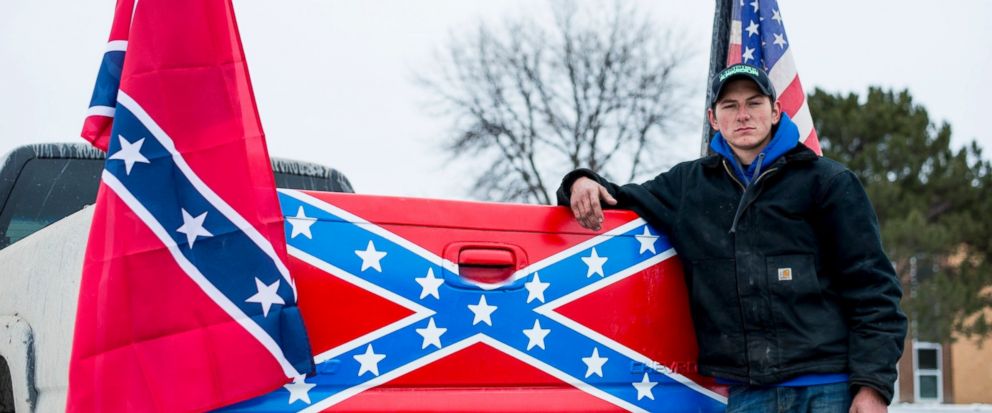
He’s just one guy, he won’t be around forever, and he’ll probably never run into a black person for the rest of his life. No harm, no foul, right?

The repetitions of my life—days, stories, conversations, sounds, meals, images, kisses, hugs, dreams—are like interlocking houndsteeth, but somehow unbound by form, unbridled by geometry.

Cutting open a Bisquick bag will always smell of thin Duke University t-shirts, thoughtful eyebrows, and hour-long explanations of the electoral college.

These works are about as subtle as a trainwreck, but they are surprisingly fun, despite their depressingly urgent call to take environmental responsibility.

Grasp, carry, touch, step, tug, swallow.

