Facing Your Future
People won’t look at you when you’re homeless; they refuse to make eye contact, as though you didn’t exist. How diminishing to a person’s sense of worth.

People won’t look at you when you’re homeless; they refuse to make eye contact, as though you didn’t exist. How diminishing to a person’s sense of worth.


“But I have nothing to write about,” you say. I say, “Are you familiar with any people, places or things? If yes, you have something to write about, so close your cakehole and write.”

I want to practice my art, and if living on the edge of poverty is the price I have to pay, so be it. It has taken time for me to come to this conclusion, but a little post-Calvin life experience has helped me to realize the importance of writing in my life.
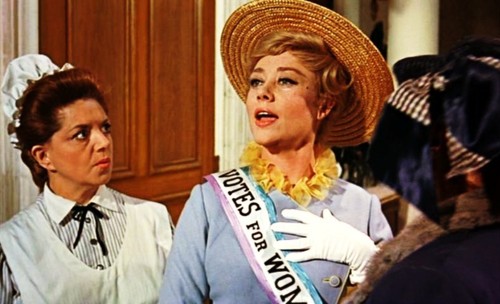
For years, I have identified myself as a “feminist.” And, for years, I have had to deal with the personal aggression that comes as a side effect of my passion about the subject.

I need to find a farmers’ market for writers, where I can pick up armfuls of raw paper, measure out markers and pens. Bring home the overflowing crates and get to work. I’ll chop the paragraphs and dice adjectives (pick out the stray adverbs that fell in).

Much changed (say, musically,) between the release of The Who’s smart and catchy “My Generation” in 1965, when my parents were in college, and Limp Bizkit’s unlistenable song of the same title in 2000, when I was in high school.

First of all, opinions of cities should not be based on luck or the weather, I admit. I should really give some of them a second chance. Second, I see the shades of gray in places I’ve stayed for a few weeks or more. In these cities, I know not only the good and the bad, but also the mediocre.

This past Saturday, I was humbled. I did what I think was my fourteenth triathlon. I won the overall female award by quite a margin—would have beat all the men, too, if I hadn’t brought my boyfriend, Matt, along. But there was a much more impressive performance at this race.