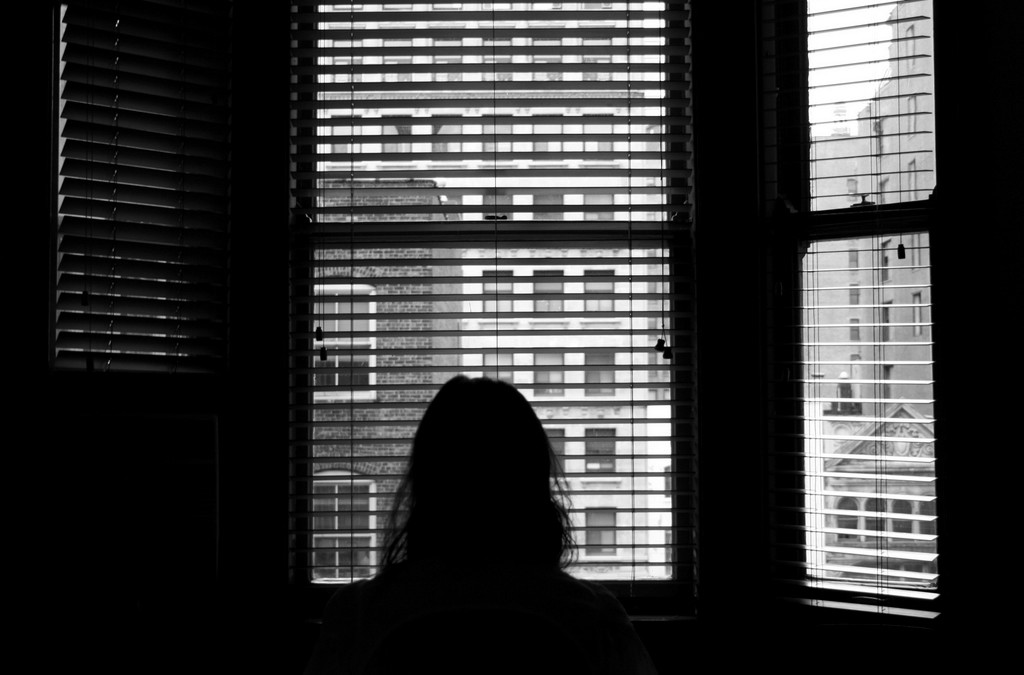
Outside Looking In
I think what fascinates me about windows is the same thing that’s always drawn me to books—all the stories and worlds that are playing out in addition to my own.

I think what fascinates me about windows is the same thing that’s always drawn me to books—all the stories and worlds that are playing out in addition to my own.
I looked down at Winston (or the other one), who still looked up at me pleadingly. He hadn’t moved an inch, even though there were about fifteen other willing petters around.

The slight, young instructor who was so patient when, earlier, I stumbled through the cha cha, drove me backwards with a force I had not anticipated.

These are the newfangled priests and priestesses. White lab coats their robes, surgical masks and safety glasses their phylacteries.

The sun has decided it is time to pay Brooklyn a visit. One Saturday, when I wake to chirping birds around 7 a.m., I decide to take myself to an exercise class.

I glean donated furniture after things that mark some kind of unraveling—an estate sale, a move, a downsizing. I’ve begun to think of my work as a conservation of energy.

Minutes later I hear the same scuffling. The sound continues. Then a cold trickle of dread seeps into my semi-consciousness. Someone is in the house.

You will find dark corners and blood capsules, both of which hide secrets. Here you will find costumes, gimmicks, and masks all covering something but creating something else.

We should all be able to answer the question: “How does your faith affect your work?” But maybe an even more appropriate question is, “How does your work inform your faith?”

In the face of wrong in which we have a share of the implications, I hope Koreans—and people of other societies alike in their own contexts of crisis— feel a sense of shame.

