
The Joy of Good Enough
Satisficing doesn’t mean you lack standards. It just means you’re realistic about those standards.

Satisficing doesn’t mean you lack standards. It just means you’re realistic about those standards.

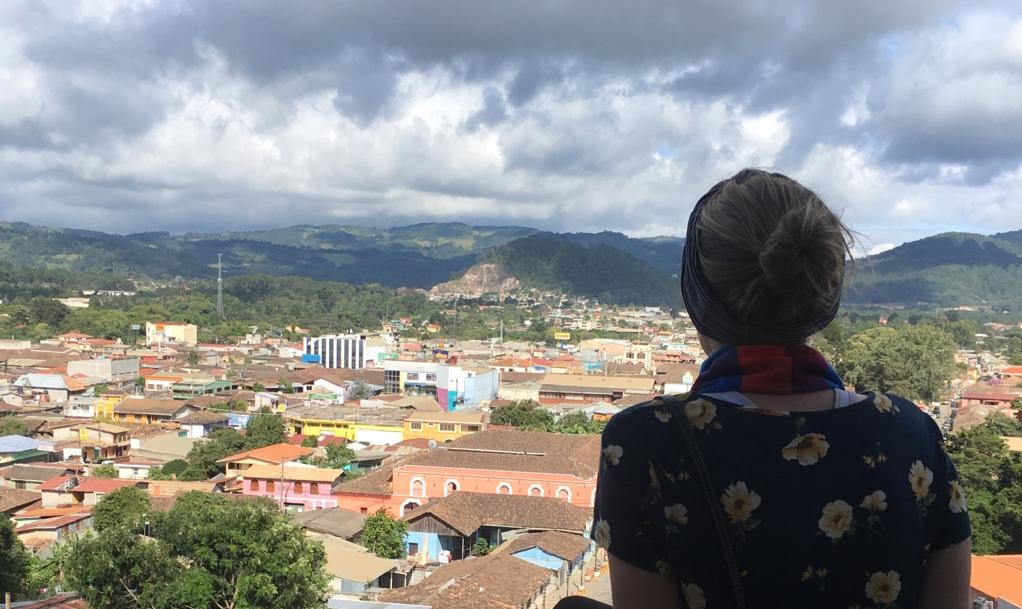
The third time in a short conversation that I heard myself saying, “Well, in Honduras…” I stopped myself. I didn’t mean to be a bore; I simply didn’t have other experiences to draw from.

After I have been
Back in the United States for a few weeks, I find myself
Crying at the strangest things.
21. Sometimes my life seems to spark like a live wire, and I feel intoxicated by its opportunity and potential.
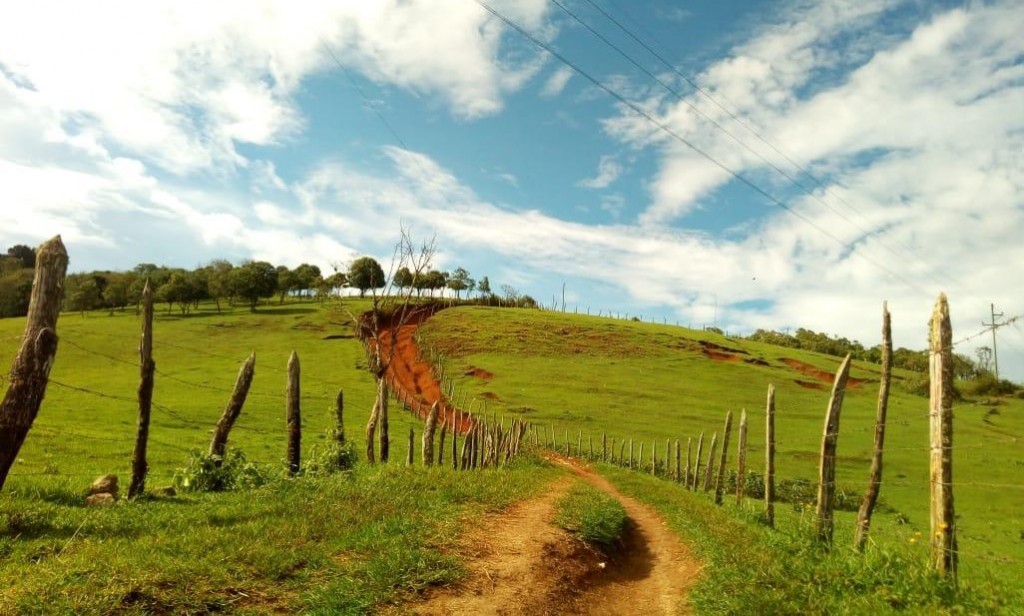
This may be the last post I’ll write from Honduras.

If you visit Tegucigalpa, you’ll find more than you expect.

How many “insightful” comments about politics or social issues have I made that are really just regurgitations of something I forgot I read somewhere else?

If you’re interested in cutting out meat, or at least eating less of it, here are five days of meat-free meals like the ones I eat—no fancy tools or Whole Foods necessary!

What works in changing people’s minds? Not facts.

Our lives simply don’t work as a checklist.

Marilynne Robinson’s debut book is lyrical, atmospheric, and completely absorbing, the “literary equivalent of a Sigur Ros song” as I tried to describe it to a friend.

It is not a partisan statement to say that the U.S. immigration system is broken.

Let’s start in a coffee shop where a middle aged woman has just been told that there are no more blueberry muffins. She reacts badly.

“I was always going to do the thing. You didn’t have to hound me like that.”
“Sure.”

Neighboring governments are refusing to accept these hungry, oppressed citizens, just for lacking a simple pamphlet made of dead trees and bureaucracy.

When I first moved to Honduras three years ago, I ate everything my host family ate: beans, eggs, cream, tortillas. Heavy, simple plates—bland, but satisfying. But then suddenly one day, months in, I just couldn’t do it anymore.

The solution to undocumented labor is not the deportation of laborers—it is their documentation.

Chapter 8: Religious Studies II
“There is no such thing as a condom for the heart. Once you have had sex, you are never quite the same.”
-“Pure Again,” Focus on the Family

I have a sinking suspicion that most issues work this way—they deeper we go, the more tangled we find ourselves, looking in vain for an exit.

Reading the news well and responding to it is not everything, but it is something—and so I won’t refuse.

What if we heard all accents this way—not as a sign that English is not one’s first language, but as a sign that another language is?

In church, there is no need for consent, because the rules are very simple. Before marriage, the answer to any question must always be no; after marriage, yes, always yes.

I’m doing great! Yes, still at the same job. Well! It’s going well. Honduras, yeah. Um, it’s in Central America? Down south?

We keep getting messages, some true, some false. It’s too hard to make sense of a moment when you’re in it.
My real fear is not that someone will think that I write poorly, but that people will think I write without having anything to say.

It’s not that I don’t have a sense of humor—with close friends and family I joke, laugh, and make others laugh. But there’s an unshakeable earnestness to it.

Maybe—and this is hard to admit—I care more about the plight of The Poor than about individuals in poverty with names and faces, each with different dreams.

I want to be better about recognizing their cousin—micro-advantages, micro-privileges that lead to a world that bends in my direction, that is softer with me, gentler.

I set a few rules—my “day” on the bus would last eight hours, but would include walking to, from, and between buses.

There is increasing political talk in the United States about deporting the migrants who are apprehended at our border or inside of it. There is very little talk about what happens next.

