
Our theme for the month of June is “spirits.”
“They say he rides an alabaster carriage with golden guardians to protect him.” – Rango
The Spirit of the West is far from a golf cart driving, Oscar winning, caricature of the quintessential western hero. However, we no longer have our rugged cowboys braving the frontier, fighting the indigenous to protect the westward push, inspiring people with their gritty individualism, and facing the terror of the unknown expanse of life.
The world has been explored. Those who come west, myself among them, find a land stitched together with the trails of those who came before. Infrastructure rises behind the explorer, grown from the collaboration of generations. An infrastructure that allows for modern living.
Our mechanical chariots pull us over mountain passes and through desert basins so efficiently we hardly have to think about our own needs besides the occasional potty break. In the domestication of a wild land, we domesticated the way we interact with it, and we are learning how to care for it.
There may never be another John Wesley Powell charging into parts of the map labelled “Unknown Territory” in pursuit of Earthly discovery again.
But, that is not to say we do not have unexplored frontiers. Like water, humanity is very good at leaking out and forcing its way through to some unknown in pursuit of something greater.
The deep sea is still vastly unknown, but it’s so hard to explore. We’ve invented robots to do it for us while we float on the surface of the water. This exploration is paramount. And, the fact that we can do so without putting people at risk of being crushed by the literal weight of the ocean is nothing short of a miracle. But we don’t get water cowboys out of it.
Though there is little left to see for the first time on our planet, we live in a universe so vast it is truly hard for me to comprehend.
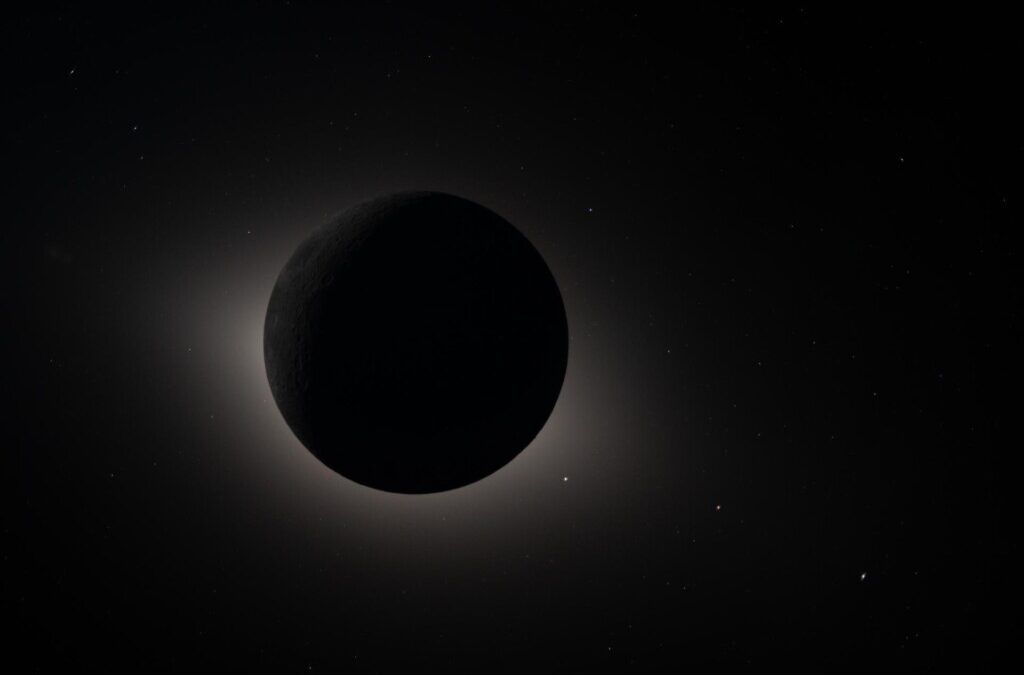
Reid Wiseman, Victor Glover, Christina Koch, and Jeremy Hansen recently reminded us of this during the Artemis II mission. They travelled farther into space, as measured by distance from Earth, than any humans have ever gone.
The frontier lost its leather vests and brimmed hats, replaced by Extravehicular Mobility Units (spacesuits).
And we’re not done with this exploration. There are three more Artemis missions planned, and they are meant to both break new barriers and provide the foundation for a future of space travel.
NASA is not shy about these ambitions. The Artemis symbol is a broad representation of the possibility our future can have when planned with deep collaboration in mind.

From the NASA site:
“The Moon is our next destination and the stepping stone for Mars.”
“The tip of the A points beyond the moon and signifies that our efforts at the Moon are not our conclusion, but rather the preparation that lies beyond it.”
The red trajectory, “moves from left to right through the crossbar of the ‘A’ opposite that of Apollo. Thus highlighting the distinct differences in our return to the moon. The trajectory is red to symbolize our path to Mars.”
Historically, the reward outweighs the risk of exploration. And, while we must strive to care for that which we have already made known, we must also not forget that there is much to be discovered.
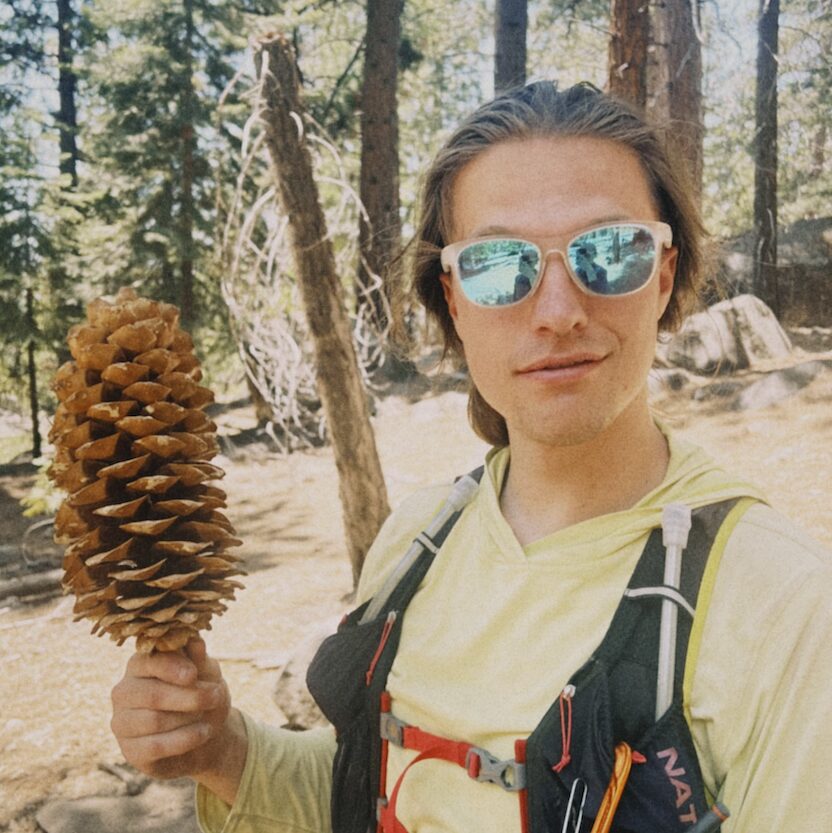
Clint Wilson (‘23) graduated from Calvin with an official degree in philosophy and unofficial degree in outdoor rec. They currently live in Denver and are working remotely for an LSAT prep company. You’ll likely find them slowly jogging a trail, belaying their wife up some rocks, or reading beneath a heap of blankets.


Your language here is so tight and evocative! I particularly forget about the significance and weight of space travel. I definitely thought though you were going to make a mention of Project Hail Mary somewhere in here re:media showing the frontier etc. Maybe for another post.
Thank you:)
Dissecting space in media would be a great post. Honestly, it could make a decent series. I could talk about that for a long time ahahaha