
When I was eight years old, just starting third grade, my parents enrolled my three siblings and me in a local children’s choir. On the first day there were so many faces I had never seen before—faces that would become familiar or friends over the next several months and years. This first day was the start of something really special.
For me, choir has become a kind of spiritual practice—it’s uniting, it’s grounding, it connects us to people across time and place through sacred texts and tunes and written stories.
The global focus of my children’s choir gave me opportunities for learning and empathy that shape my current prayers for justice, peace, and flourishing for all people. Around 2014 or 2015, my children’s choir sang a concert at Saint Andrew’s Cathedral in Grand Rapids. We opened the set with Sean Ivory and Paul Caldwell’s setting of Ani Ma’amin, a text thousands of Jews sang as they entered the gas chambers. Its translation is this:
I believe in God, in a greater truth, and in things greater than this world in spite of all that has happened. I believe that the Messiah will come, and he will find me waiting. No matter how long he tarries, no matter how long he delays his coming, I will continue to believe. No matter what the future holds, I believe.
The back of the score reads as follows:
Eyewitness accounts tell us that the music would decrescendo to silence only as the gas choked the singers… Today we sing ‘Ani Ma’amin’ out of respect for the faith for which so many millions of children died. Today we sing ‘Ani Ma’amin’, knowing that if we join hands and hearts and voices and sing the songs of those who suffer, we will learn that, while we may be different, we are all truly beautiful. And if we, the children of the world, value all other children as beautiful people, we can prevent such atrocities from happening again in our lifetimes. This is why we sing. This is what WE believe.
That piece, sung by my choir of fourth through sixth graders, was followed by one my sister sang with the older choir: “The Butterfly” from I Never Saw Another Butterfly by Charles Davidson, a work composed from poems written by children in the Terezin concentration camp.
Children and adolescents have a capacity to imagine themselves in another’s place in such a profound way. That’s why stories hit children so hard. And stories set to music—at least for me—broke into another realm entirely. This set caused each of us to come face to face with the searing pain of injustice.
I remember thinking: how could atrocities like this ever happen again—especially with art like this in the world? But again and again, we face the fact that suffering does and will continue to plague this world.
Over 70,000 people have died in Gaza. War has broken out. American politics have continued to crumble. Perpetrators are in positions of power. The climate crisis deepens. Hatred is loud. Division is everywhere.
So what do we do as we wait for the day when all is made new?
One of the most formative practices in my life has been showing up to choir every week for the past fifteen years. Sacred music has become deeply embedded within me, guiding me toward peace in the darkest nights.
And we can share stories—through words, through music. We can listen to them, support those who tell them, and learn from the children how to feel deeply. We can only find a path toward peace if we can begin to build a world where every person is heard and valued.
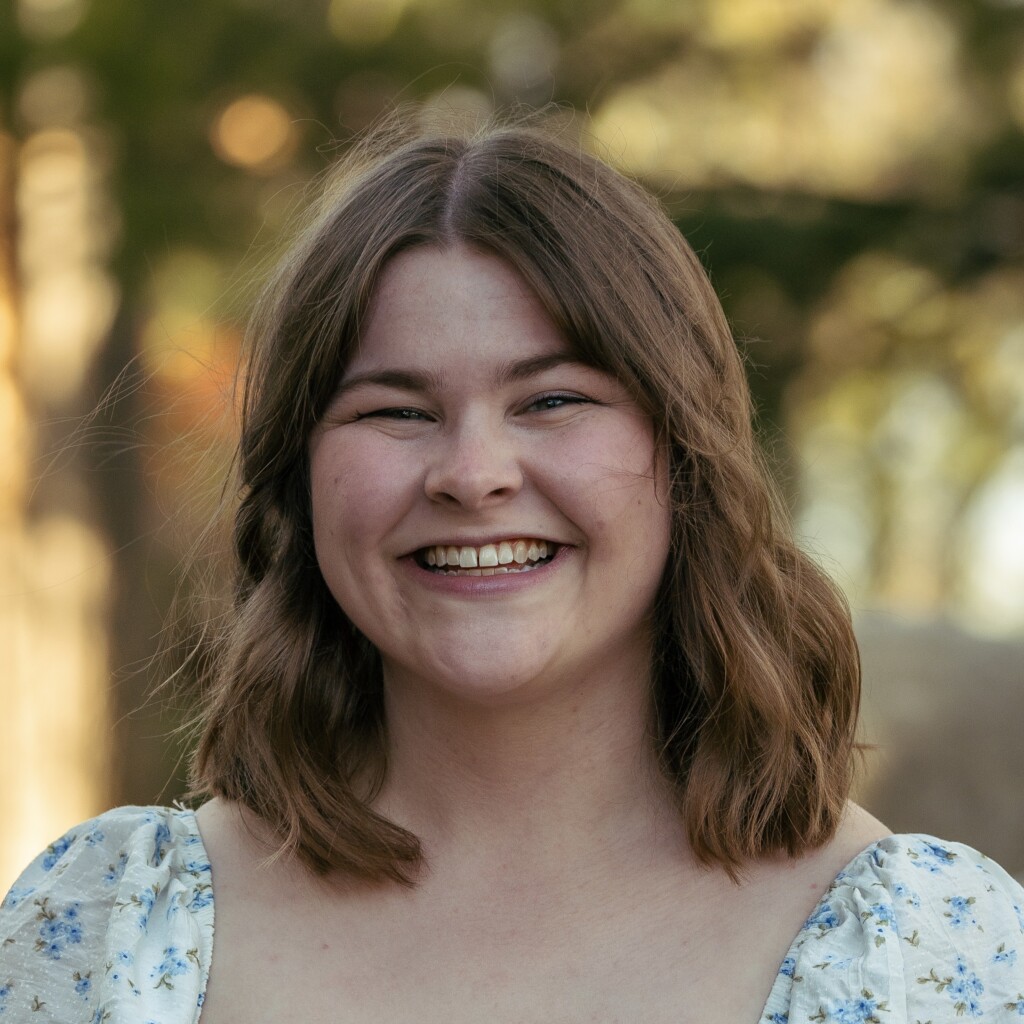
Madeline Witvliet (’25) graduated from Calvin with a degree in English. She can be found in coffee shops in Eastown, exploring Michigan’s state parks, or singing with Calvin’s Alumni Choir. Madeline enjoys spending time outdoors, crafting, and cooking Mediterranean-inspired meals.


During my abroad semester, we talked about “dark places,” places that were sites for terrible places. Concentration camps, Cambodia’s killing fields, My Lai, the prison where Nelson Mandela was held, etc. It sorta sounds like you stumbled into some “dark music,” if that makes any sense.