
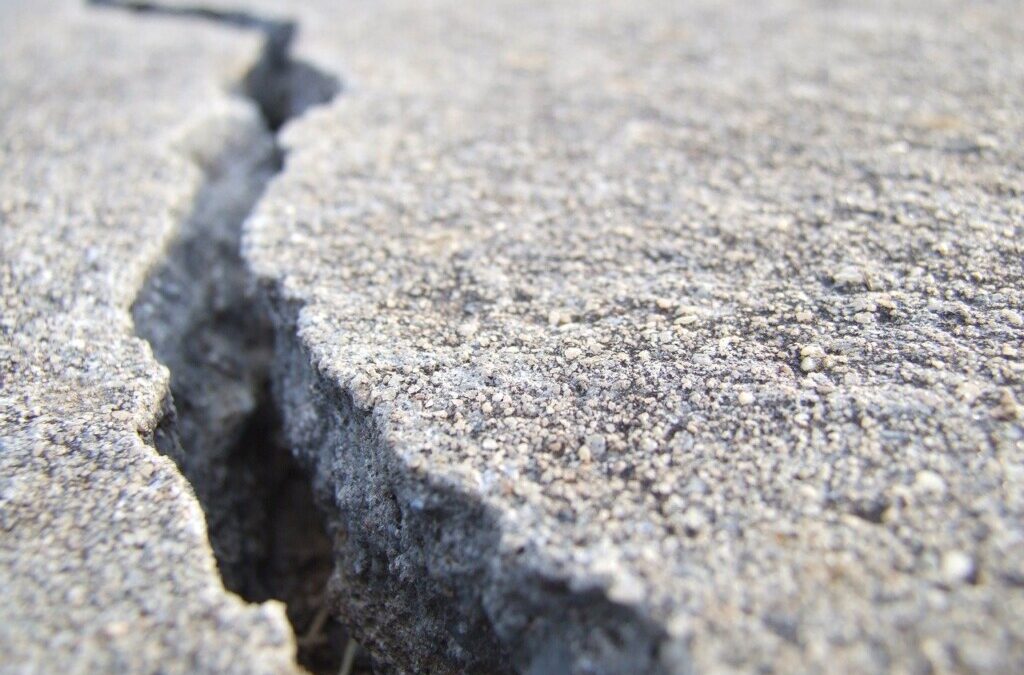
A few months ago I smashed a piece of concrete at work. I turned the wheel, revved the engine, and took a turn too sharp, scrapping the containment wall that surrounds the diesel and gas pump site at the shop with the metal trailer I was towing. The crunch of steel on concrete echoed across the yard, drawing in a small but enthusiastic crowd of coworkers who gawked as I clumsily reversed, attempted to reroute, reversed again, and eventually completed the monumentally simple task of driving away from the wall. When my boss confronted me about the twisted metal on the trailer and the corner of the wall which was now crumbled, all I could muster was “my bad.”
That day the minutes passed like hours, the tasks were monotonous, and the sun was unrelenting. I couldn’t wait for it to be over. So, on the drive back to the shop, I disengaged into an autopilot state where I retained just enough energy to complete the tasks before me but no more. Clearly, the meager ounce of concentration I set aside for parking the work truck was insufficient, hence the cruuuuuunch I heard when pulling forward.
In the end, it turned out alright for an incident. No one was hurt, there was no expensive fix required (the metal trailer just needed to be bent back into place), and it all happened at the shop, i.e., not in a client’s front yard, so no witnesses needed the Men In Black memory eraser flashed before their eyes. The only downside, for me in particular, was that this particular block of concrete was by far the most common location for someone to stand while refueling their truck, so everybody sees the smashed block every day. Naturally, two months later, I still get shit for it.
For me, though, that concrete has become something of a daily wake up call. When I see it, the cracked block is a reminder of the consequences of the semi-conscious autopilot mode. Seeing it helps me refocus on the monumental importance of acting with intentionality and focus. Be present. Focus on what you’re doing. Pay attention.
In tree work, the more conscious a work team is, the safer, more efficient, and more engaged it is, too. A majority of injuries and accidents in this field occur either while someone is in a hurry or not double-checking what they’re about to do. Sometimes these go hand in hand—being in a rush causes people to skip the extra steps involved in double-checking the drop zone before tossing down a heavy piece of wood. But the rest of the time accidents are caused when a person simply checks out from the task before them and lets their mind wander. That’s when the hingewood gets cut clean through; that’s when the client’s mailbox gets pummelled to the ground.
When I first started working at New Urban Forestry I knew nothing about tree work. I looked to everyone around me for instruction because, like the helpless little pine sapling I was, I needed it. Though being the helpless new guy isn’t exactly fun, there was part of me that took a lot of comfort in this stage; so long as I was following the instructions of my teammates, I felt absolved from the responsibility of the outcome. If something went awry, well, Phil told me to do it that way, it wasn’t my fault.
Now, three months in, I’ve earned the right to own my mistakes. I’m also beginning to see how others’ instructions don’t always match up with reality, and how often it’s necessary to make small but critical judgement calls about the execution of tasks yourself. Because at the end of the day, whether or not someone told you not to crash into the wall, you’re the one driving the rig, and when all you have to say for it is “my bad,” your boss will look at you with pitiful disdain and counter with, “Yeah, no shit it was your bad, you were driving!”
Own your mistakes; better yet, pay attention and don’t let them happen in the first place.

Jon Gorter (‘17) graduated from Calvin with degrees in English and environmental studies and holds an MS in natural resources from the University of Michigan. He enjoys fly fishing, mushroom foraging, and waterfall scrambling near his home in the Blue Ridge Mountains of North Carolina.


I enjoy your message, glad to hear about your “growth” Watching and praying is necessary as we journey through this world. Everything we do and say matters. Keep walking towards the Light.