
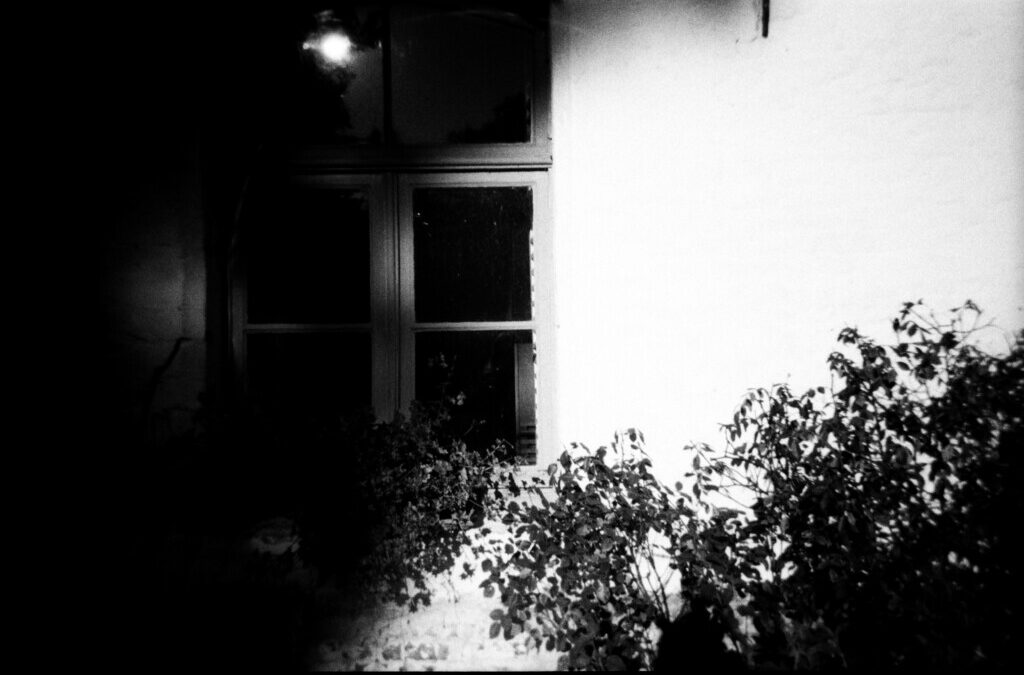
My municipality planted trees along the street near my house back in 2024. This is now the second spring that I have seen these skinny trees leaf out. As I was walking home from the bus stop the other night, I thought of how I would love to stay here and watch them grow—to see their roots deepen, pushing against the concrete, to see an interconnected canopy form. My old housemate just bought an apartment around the corner; she at least will see the trees move out of their awkward adolescence.
Still, I will have my own such opportunities. I already have. A week ago, I biked past a park where I conducted an ethnographic study in the first semester of my master’s program. I was astounded by how green and shady the park had become since I had last paid it any attention. It’s no longer got the overly sculpted look of a newly planted area; it has grown and settled into itself in the last five years.
The park isn’t alone in this settling-in. Brussels is now the place where I have lived the longest besides my hometown. The Friendsgiving that I excitedly and haphazardly hosted in 2021, a few months into new friendships, has deepened into a communal tradition that others now happily host; its cheesy “what are you thankful for” prompt circle now incites vulnerability and tears. Two separate groups of strangers found on Facebook have become first my housemates and then dear friends. Few streets remain truly unknown, though somehow each week still seems to hold something new: a person introduced, a bar checked out, a social yoga project visited. The boundaries of the known expand, and neighboring cities become navigable by memory. Bike trips form the connective tissue between the city and its hinterland in my mental geography.
My bike has likewise become a friend through the experiences of six years together, my constant and sometimes neglected companion. This last winter, when hills became increasingly torturous and braking grew ever-more precarious, I took my bike to a repair shop. Among other work, the mechanics replaced several extremely over-used components. My old crankset is gone—long live the crankset. I didn’t realize until afterwards that I had grown emotionally attached to the particular curve of my bike’s crank arms connecting to its pedals. Those parts accompanied me for miles between Fuller Avenue and Calvin as I refined my route through sprawling neighborhoods, freeing me from the embarrassment of begging rides from people in a car-dependent city. In 2021, I took those components apart, packed them with bubble wrap and old sweaters into a bike box, checked them in at an airline oversized luggage counter, and reassembled them a day and four thousand miles later to explore the streets of our new home. At some point along the way, I have begun to see my bike as an extension of myself, and it’s strange to see her change.
First friends in the city are now moving away, leaving a hole in my routines and a tenderness like a bruise around their old places. Another friend who lives abroad expressed to me that, after a few years in his place, he’s not feeling lonely anymore. I wish that loneliness were linear—I feel lonely in new ways, and old ones too. Yet at the same time, I have never felt at home in the way I do now.
My partner turned twenty-nine this week; he was twenty-one when we met. We have spent almost his entire twenties together. As yet another spring blooms around us, and I look into the future, I am also feeling the depth of these years. I feel something akin to what my grandad commented on one of my recent posts: “It has all gone by really fast, too fast.”

Rylan Shewmaker (‘21) calls herself a geographer, though none of her degrees substantiate this. After growing up in Texas and studying in Grand Rapids, she moved to Brussels, Belgium, for her master’s degree in urban studies. She still lives in Brussels and works for a housing non-profit. She enjoys audiobooks, bike commuting, sunny days, and learning new things.


Thank you for sharing your stories and reflections Rylan!
Love the gentle touch you used to craft this piece. May the heart and memory that attaches you to your bike of Theseus result in it forever remaining the same bike <3
Abroad for only one year, but can relate! Loneliness is such an ever-changing entity. Thank you for sharing!