
Extra! Extra! Read All About It!
I raise a wistful glass to the days when neighborhood paper routes provided a bicycle-mounted kid’s first taste of financial independence.

I raise a wistful glass to the days when neighborhood paper routes provided a bicycle-mounted kid’s first taste of financial independence.

Layers of irony form the crux of Dear White People’s satirical message: racism hounds us across generations, cultures, educational levels, socio-economic strata, and skin pigments.

As worshippers trickle into the little sanctuary, we smile and nod our good-mornings. Our collective sleepiness encourages contemplative silence. The low lights glow gold off the bare wood floor.
The past three months have swirled by in a flurry of skimmed articles, just-caught buses, and discussions over falafel and hummus about the drawbacks of capitalism.
I fill a basket with crisp lettuce and Swiss chard. A raspberry finds its way into my mouth. I close my eyes, breathe deep, and finally feel my shoulders relax.
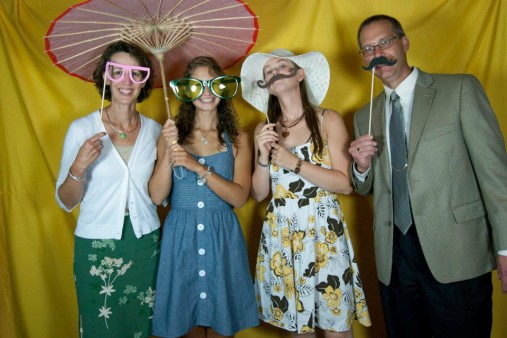
The video-photo-flipbook booth was a hit. Even my 91-year-old grandfather got in on the action—twice. Milling guests flaunted their flipbooks, the brief sequences looping like analog Vines.

I sat back, dumbfounded, as these realizations came trickling in. I felt a little sheepish that it took so long for me to figure it out. God got a well-deserved slow clap.

Suddenly there are more things on my face that could go wrong. Is my mascara giving me a black eye? Did my lipstick make friends with my teeth? Does my eyeliner make me look like King Tut?
The next time you feel lonely, remember that between one and three percent of your body is composed of total strangers. And that’s 1014 bacteria for every one of those 7.2 billion people.

Maybe the purpose of the show isn’t to revel in physical extremes, but to explore how creatures with disparate values interact and find common ground.
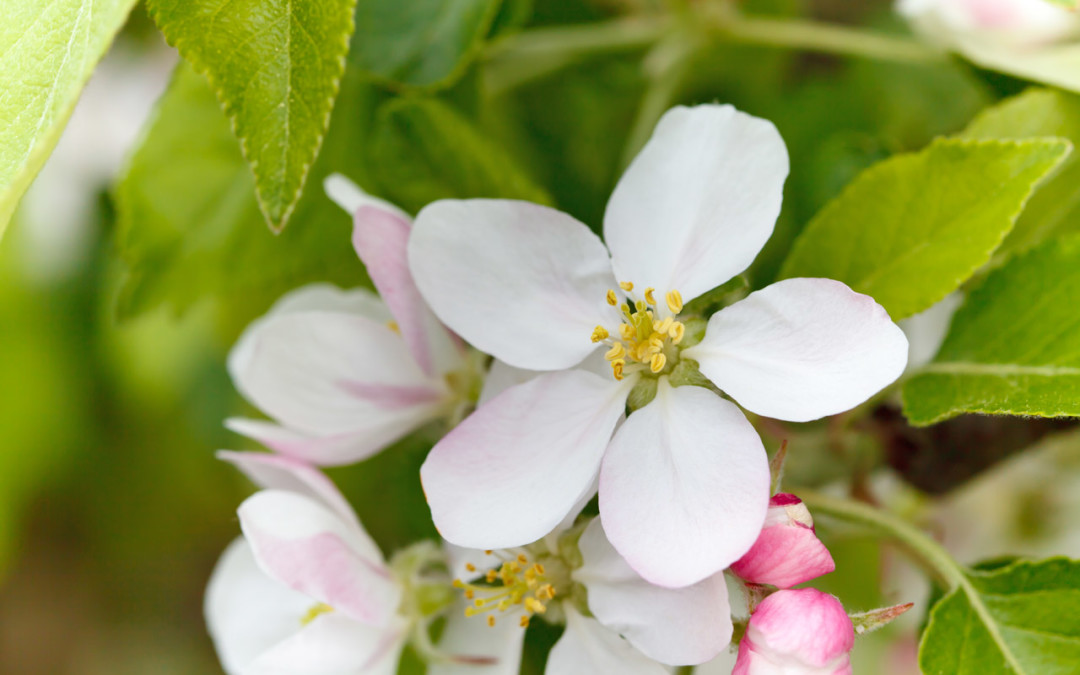
Harvests were tallied. And fruit farmers hauled in a bumper crop of blueberries, apples, and peaches—the pent-up energies of their formerly ravaged orchards.
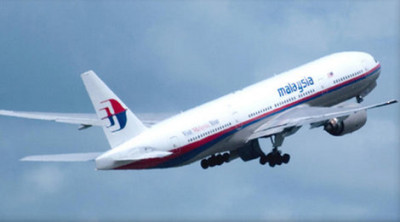
What good is all this technology—our GPS satellites, our naval cruisers, our sonar arrays and passport checks and aerial photographs—if it can’t produce real answers?

Skaters face skull-cracking ice and flying metal blades; lugers zoom at 80 miles per hour. Hockey players lose teeth, skiers blow out knees.
It’s Tuesday evening at the Southeast YMCA, and my squats are getting shallower. Cindi, the weight-training instructor, wanders through the crowded room, counting reps, shouting encouragement.
We come to church expecting to be fed—physically with coffee and cookies, spiritually with a rousing sermon. We come expecting to be entertained by talented musicians and a skillful preacher.

As autumn fell, he started nudging me, gently striving to get my attention. Geneva, he whispered, you’ve been running in circles for months. We haven’t talked in a while.

Ecologists hold that patches of land, when stripped of vegetation by natural or human processes, recover by shifting through a fairly predictable series of plant and animal communities.

Bridges I have aplenty. What I crave is intersections. Intersections—those moments of synchrony, of serendipity, of crazy coincidence.

Now, you might be thinking, here’s another fitness nut gearing up to write glib posts about the joys of physical exercise. I am not that nut.

